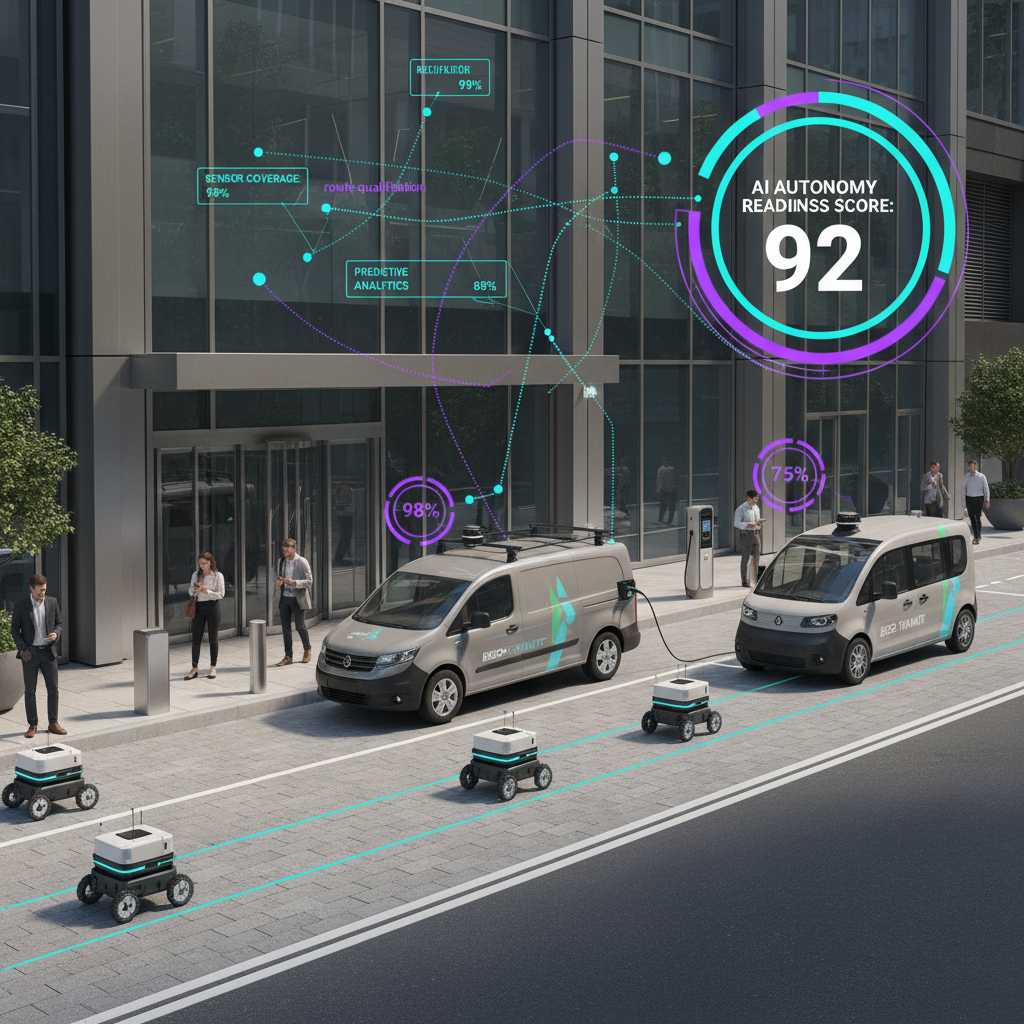
Mixed-Mover Building Brain
Different movers. One building. One brain.
When people, robots, drones, devices, and vehicles share building infrastructure, MovementAI helps owners know what can move safely, what should wait, and what evidence was created.
The Problem: Buildings were designed around people, but they increasingly need to coordinate people, robots, drones, vehicles, vendors, and service teams at the same time.
The 5 Mover Types
Every moving entity gets an owner-readable role.
MovementAI helps owners understand how each type of mover affects elevators, docks, curbs, corridors, rooftops, safety zones, and service timing.
People
Occupants, visitors, vendors, and service workers
The baseline flow owners already understand: people entering, waiting, riding elevators, receiving service, and creating demand on shared spaces.
Service robots
Cleaning, delivery, inspection, and support devices
Robots can move slower, hold doors longer, and create different elevator and corridor pressure than people.
Ground devices
Automated carts, delivery devices, and indoor equipment
Ground devices need routes, access, charging, and clear corridors that do not disrupt people or service teams.
Aerial devices
Drones and rooftop or exterior missions
Aerial devices create rooftop, weather, vertical access, and safety coordination needs.
Vehicles
Curb, dock, delivery, parking, and fleet activity
Vehicles compete for docks, curbs, charging, staging, and loading windows that owners need to coordinate.
Owner View
Different movers create different building pressure.
A person, delivery robot, drone, service vehicle, and cleaning device do not use a building the same way. MovementAI turns those differences into clear routing, timing, access, and safety recommendations.
Mover Interaction Map
Which mover combinations create the most friction
Higher values mean more owner attention is needed when those mover types share elevators, docks, curbs, corridors, rooftops, or loading areas.
3.40
friction score
People × service robots
Elevators and corridors need clearer timing when people and robots share the same path.
4.20
friction score
Drone × drone
Rooftops and exterior routes need coordination before multiple aerial missions overlap.
2.30
friction score
Vehicle × robot
Docks and loading areas need rules when automated vehicles and robots are both working.
2.80
friction score
Vehicle × vehicle
Curbs, docks, and charging areas can fill quickly when vehicles arrive together.
2.10
friction score
Robot × robot
Robot fleets need scheduling so they do not crowd the same elevator or corridor.
1.80
friction score
People × vehicle
Pedestrians and delivery vehicles need safer curb and dock coordination.
1.60
friction score
Ground device × ground device
Automated carts and devices need route timing to avoid hallway congestion.
1.00
friction score
People × people
This is the familiar baseline owners already understand.
People-to-people movement is the baseline. Other mover combinations can create higher pressure and need clearer controls.
What Owners Get
Mover classification unlocks four practical capabilities
Safer elevator assignments
If a robot, delivery cart, or service team would create elevator pressure, MovementAI can recommend a better car, time window, or route.
Cleaner routing rules
Owners can separate robot, vehicle, drone, and human activity during busy periods without adding manual coordination work.
Mixed-mover coordination
Teams see which movers are active, where they are creating pressure, and what next step reduces friction.
Smarter readiness record
Every coordinated movement improves the owner record for automation readiness, safety, insurance review, and future planning.
Protected Approach
A practical framework for mixed human, robot, vehicle, and drone movement.
Momentum Labs protects the underlying science, while owners get the useful output: clearer movement rules, safer shared spaces, better automation readiness, and a record of what happened.